Indian Cooking Recipes for Authentic Homemade Flavours
Discover Indian cooking recipes that make it easier to prepare flavourful dishes in your own kitchen. The Delhi Kitchen blog shares vegetarian recipes, practical cooking advice, ingredient guides and traditional techniques inspired by India’s diverse food culture. Whether you are learning the basics or expanding your cooking skills, explore helpful ideas for creating curries, rice dishes, Indian breads, snacks, chutneys and other satisfying favourites at home.
Learn Traditional Indian Cooking Step by Step
Indian cooking becomes more approachable when every ingredient, technique, and stage is explained clearly. Our recipe articles are designed to guide home cooks through preparation, cooking, and serving, with useful information about spices, ingredients, substitutions, and common mistakes. Explore simple weekday meals, festive favourites, regional dishes and vegetarian Indian recipes created to help you enjoy authentic flavours with confidence.
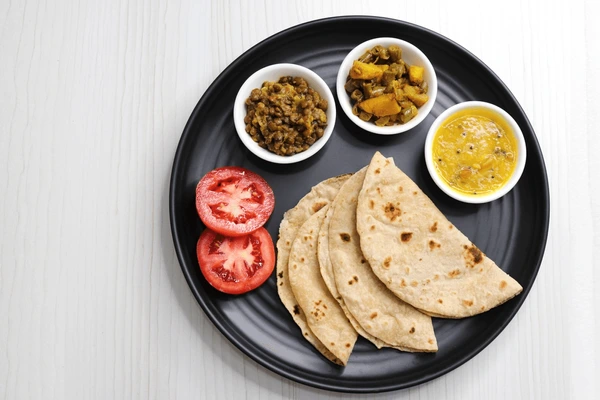
Our blog features vegetarian Indian cooking recipes, including curries, rice dishes, lentil preparations, Indian breads, snacks, chutneys and regional favourites. New categories can be added as the recipe collection grows.
Many recipes are suitable for beginners and include clear ingredient lists, preparation instructions, and practical cooking tips. Check the difficulty level and preparation time on each recipe page before starting.
Yes. The blog focuses on vegetarian Indian cooking and shares recipes using vegetables, lentils, grains, dairy products, herbs and traditional spices. Review the ingredient list carefully when following a particular dietary plan.
Common ingredients include lentils, rice, vegetables, herbs, and spices such as cumin, coriander, turmeric, mustard seeds, and garam masala. The exact ingredients and quantities vary according to the dish and regional cooking style.
Many Indian recipes can be prepared using standard kitchen equipment such as a saucepan, frying pan, mixing bowl, and basic utensils. Individual recipes will explain when equipment such as a pressure cooker, blender, tava, or tandoor-style cooking method is useful.
The amount of chili can often be adjusted according to personal preference. However, spices also contribute aroma and flavor, so follow the recipe’s guidance before changing the quantities significantly.
Where appropriate, individual recipes can suggest practical substitutions for ingredients that may be difficult to find. Substitutions can change the final flavor or texture, so the original ingredient should be used when available.
Each complete recipe article should include preparation time, cooking time, total time and serving information to help readers plan before they begin cooking.
Store dried spices in tightly sealed containers away from heat, moisture, and direct sunlight. Label containers clearly and check their aroma and freshness before using them in a recipe.